Access Land and Public Rights of Way

Access Land and Public Rights of Way

You can walk on all public rights of way. Some public rights of way are also open to horse riders, cyclists or motorists.

Types of public rights of way:

  • Footpaths – for walking, running, mobility scooters or powered wheelchairs
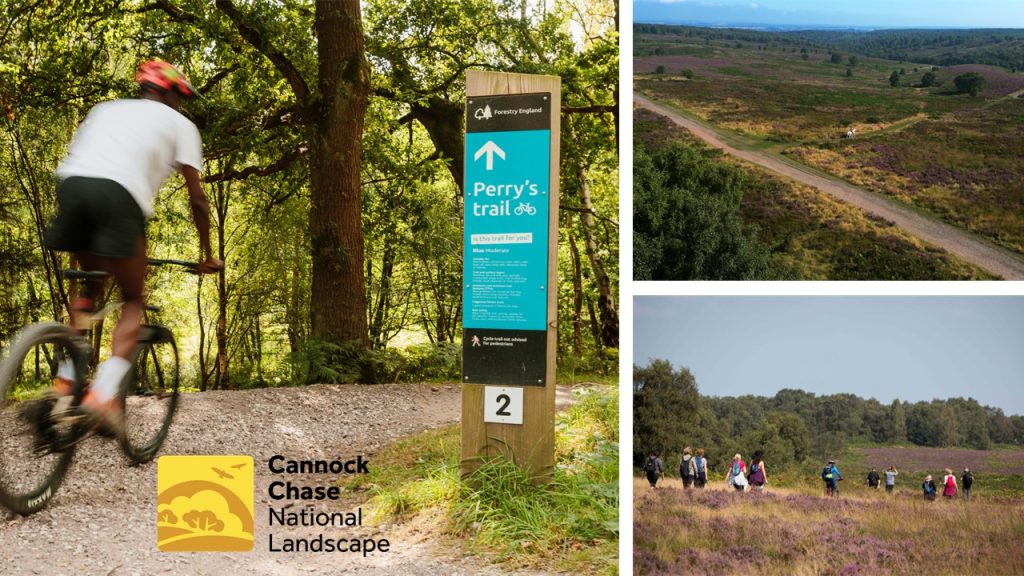
  • Bridleways – for walking, horse riding, bicycles, mobility scooters or powered wheelchairs
  • Restricted byways – for any transport without a motor and mobility scooters or powered wheelchairs
  • Byways open to all traffic – for any kind of transport, including cars (but they’re mainly used by walkers, cyclists and horse riders)

How to tell different rights of way apart

Public rights of way in England are marked with signs or coloured arrows:

  • Yellow arrow – footpath, a recorded right of way for walkers and mobility aid users.
  • Blue arrow – bridleway, a recorded right of way for walkers, mobility aid users, horse-riders and cyclists.
  • Purple arrow – restricted byway, a recorded right of way for walkers, mobility aid users, cyclists, horse-riders and horse-drawn vehicles only.
  • Red arrow – byway open to all traffic, a recorded right of way for all users including motorised vehicles.
  • Acorn symbol – National Trail, created for walking, with horse-riding and cycling possible on some trails. Users with limited mobility can visit the National Trail website to check trail suitability. This website also contains maps, trip planning tools and information on trail diversions.

You can also find information about public rights of way in the Countryside Code.

Information on footpaths and bridleways for Staffordshire is here.

Open access land

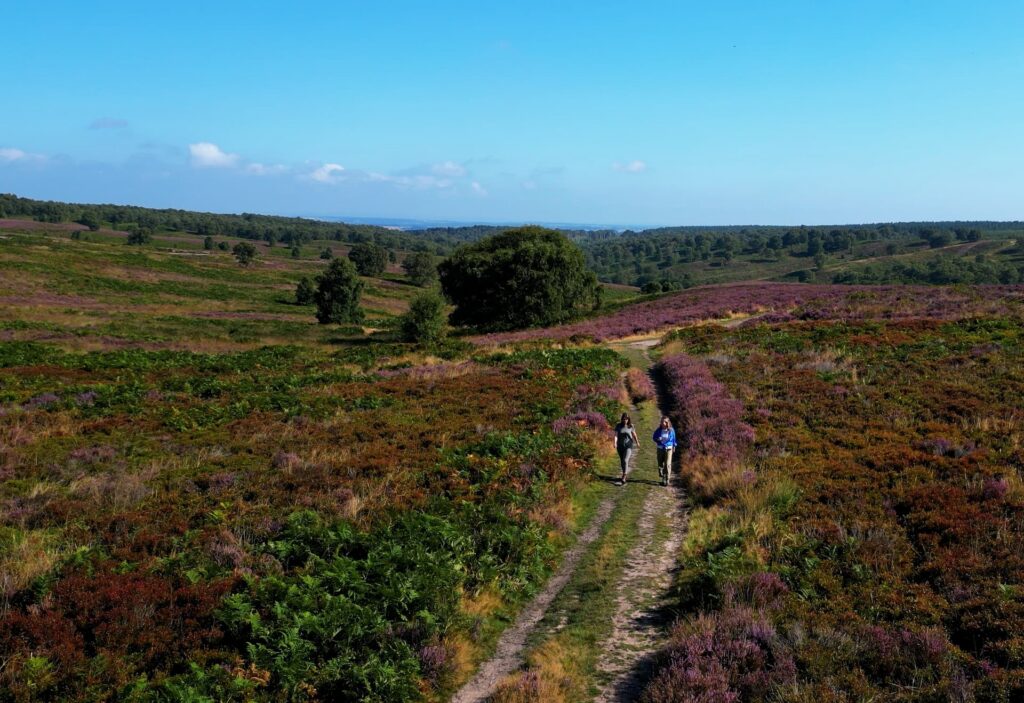
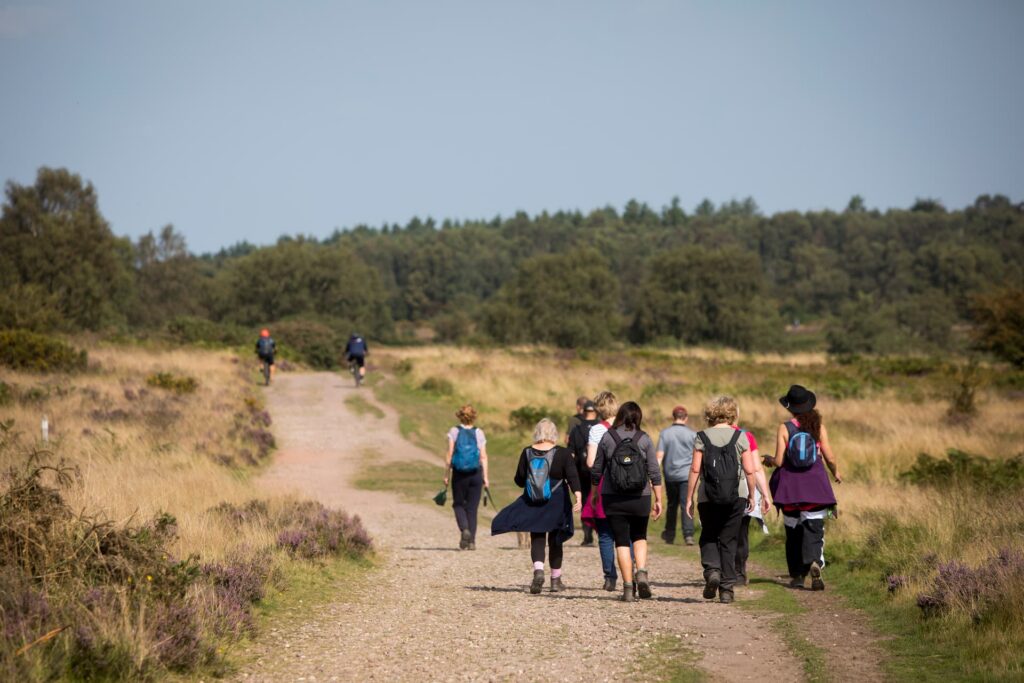
51% of Cannock Chase is open access land over which people can roam on foot. You can use access land for walking, running and watching wildlife, but not horse riding or cycling unless the landowner allows it or public bridleways cross the land.

Access land on Cannock Chase includes 10 areas of historic commons and the Cannock Chase Forest owned and managed by Forestry England.

Most privately owned land is not open to the public, and access will be limited to public rights of way and any permissive routes.
Landowner responsibilities

As the owner or occupier of land with a public right of way across it, you must

  • Keep the route visible
  • Not obstruct or endanger users.

Problems with public rights of way

If you experience a problem with a public right of way, contact the rights of way section of the highway authority through whose area the route passes.

Plan your visit

Below you will find lots of information to help you make the most of your visit to Cannock Chase National Landscape. Click into any of the sections to find out more.

Latest news

The news posts below provide more information on work in progress and latest news of Cannock Chase and our partners.

Search